Search

Regent's International School, Bangkok

Day and Boarding school for ages 2 – 18.

Tag

regents bangkok

Future Global Leaders Program

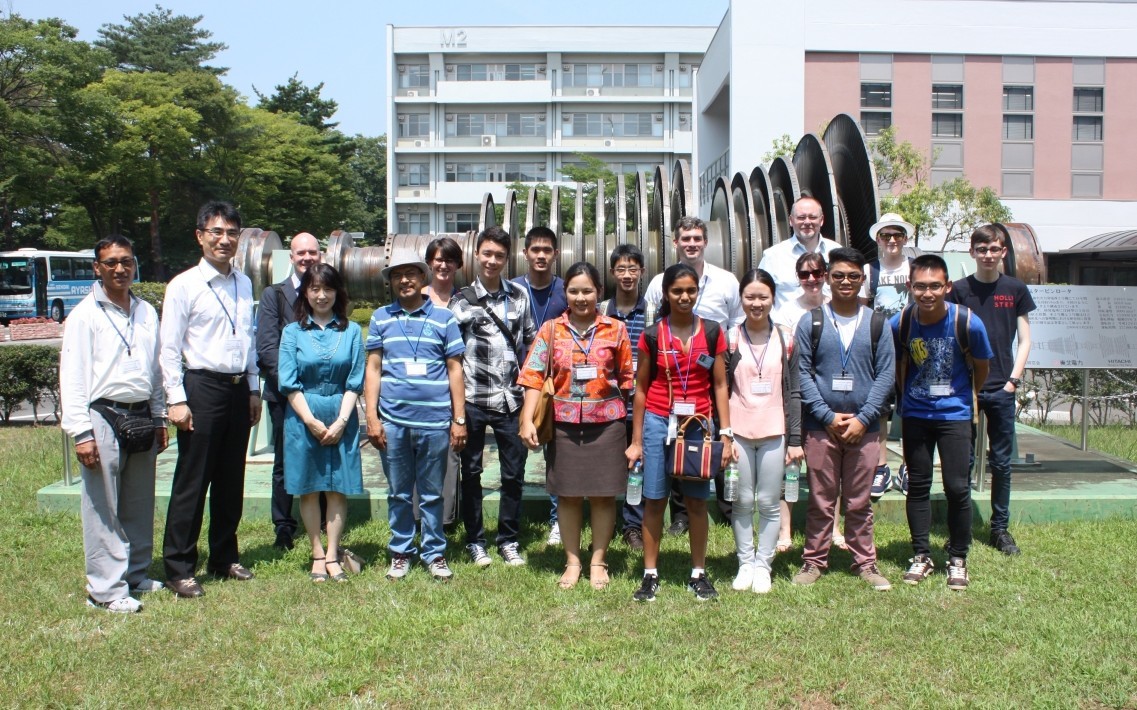
We were lucky enough to be invited by the University of Tohoku for their annual future global leaders program. The five days in Sendai, Japan, was an unforgettable experience for the both of us. Not only did we get an insight of the university, but we also had the opportunity to explore the beautiful city of Sendai and it’s culture.

University Of Tohoku
IMG-20150805-WA0002Tohoku University is one of the top 100 university in the world. Recently, they began the Future Global Leadership Program which is taught in English and focuses on engineering, chemistry and marine biology.

On our first day, we had a fantastic welcoming reception and experienced Japanese flower arranging and got to meet some of the students at the University. On the second day, we visited laboratories where the professors gave us lectures. Both laboratories have various machinery that are more advanced than anything we’ve seen before. Furthemore, we had the opportunity to hear about the projects that the senior students were working on.

Moving on to the department of chemistry, this was the most interesting course for us and the lecture about DNA replication was something to remember. On the final day, we went to the marine biology laboratories which focuses on marine life and oceanography. The marine biology course is unique to the other two as students are required to work on the field by going deep sea diving every couple of weeks. They also taught us how to measure the age of fish which is very interesting. WP_20150806_15_24_45_Pro

Life in Sendai     

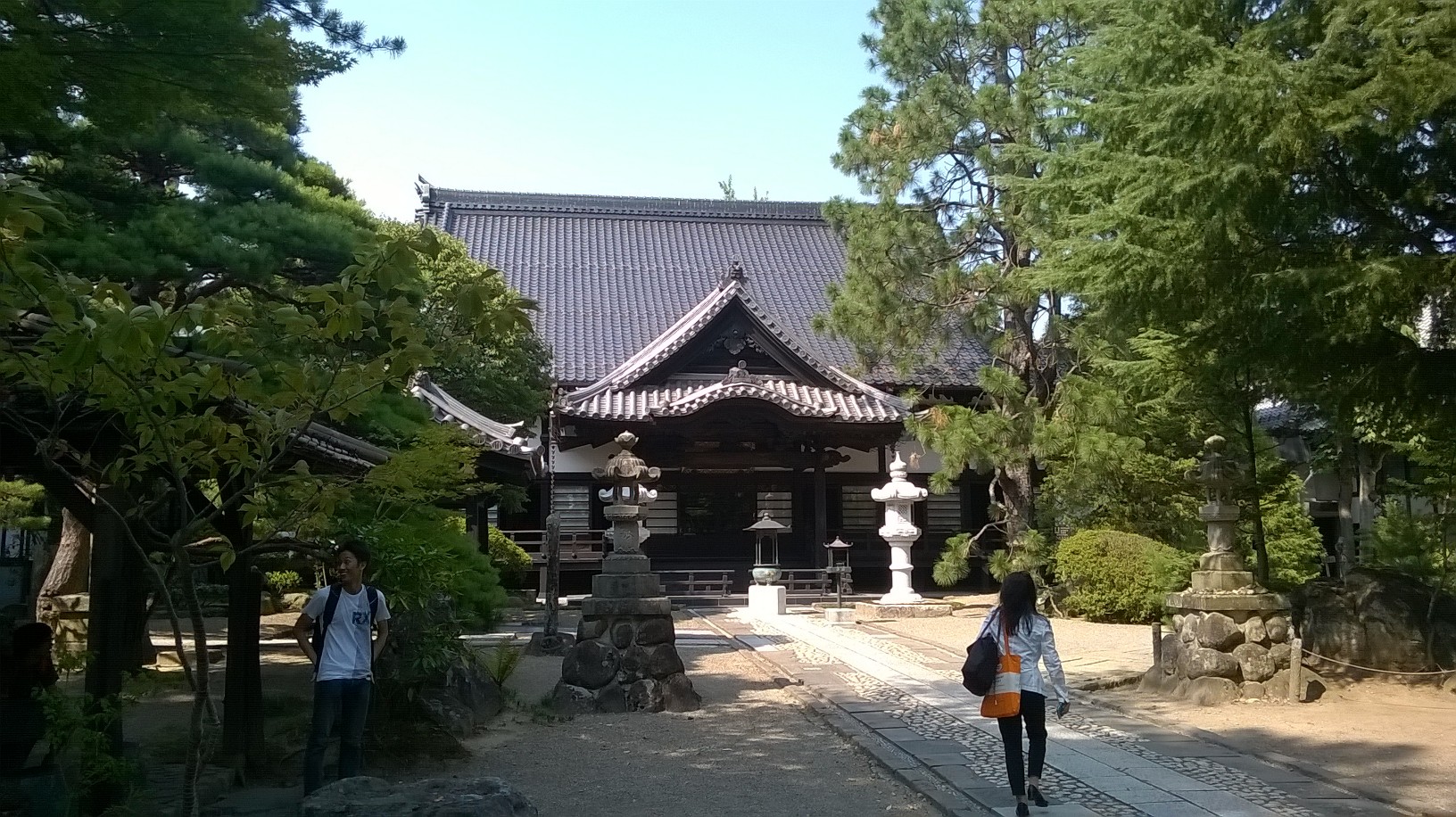
Sendai translate to “the city of trees” and lives up to its name. We came at the right time, as there was a festival going on and fireworks display lit up the city on our second day. Sendai is quite a small city and you can get around easily with a bike or even by walking. With our free time we went around exploring the city with the university students we’ve met. We learned more about Japanese culture and on our last day we went to a temple for meditation.WP_20150806_14_23_48_Pro Sight seeing was definitely the main highlight of the trip as Sendai was a very peaceful city with lots of places to visit and rich in Japanese culture. People were very humble and friendly this is one reason why we love Japan. All in all, it has been an unforgettable experience and it was a privilege to be part of the FGL program. We would like to thank everyone who has made this experience possible for us and highly recommend that everyone should participate in similar events.
By: Daffa & Mint, Year 12
A visit to Sendai, city of trees

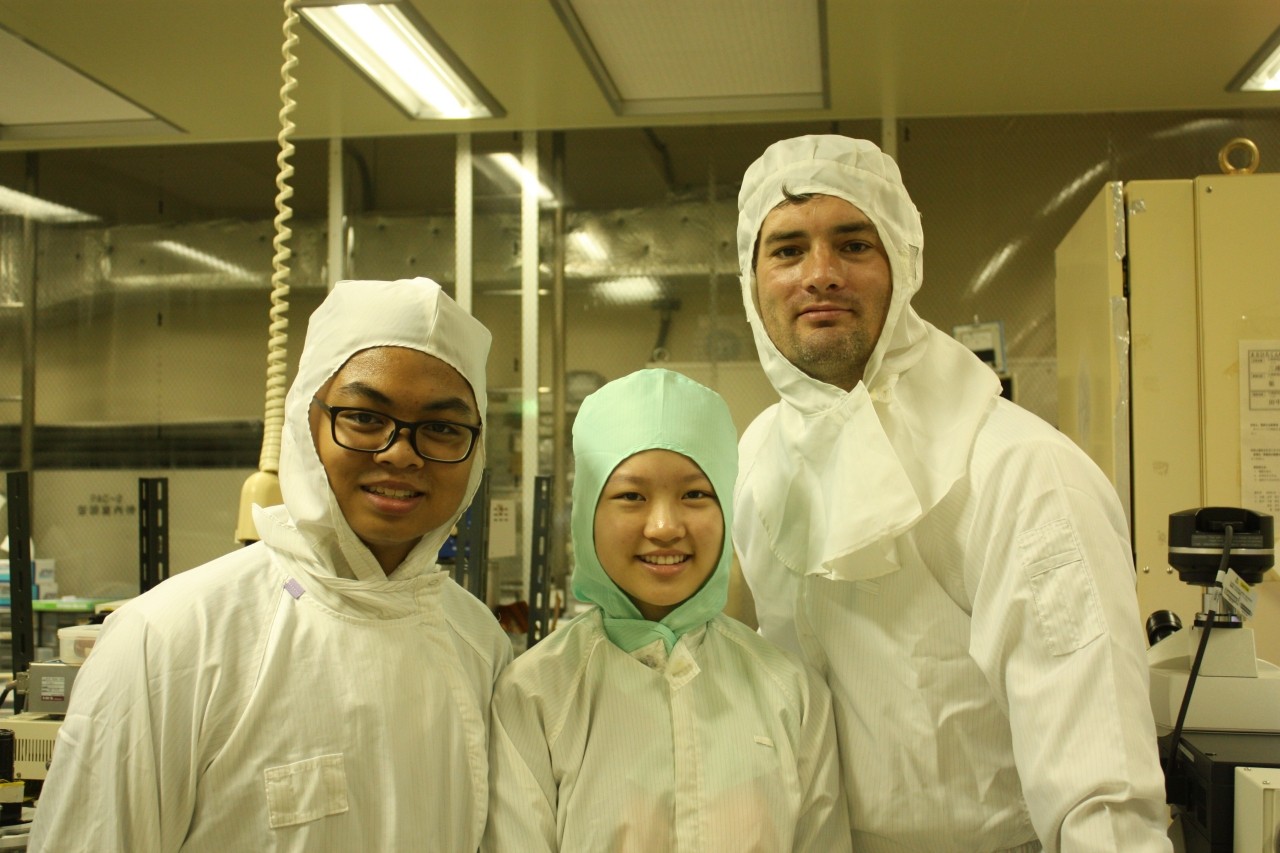
Mr Anderson with Daffa and Mint.

In early August I accompanied two year 12 students, Daffa and Mint, to Tohoku University in Sendai for their Future Global Leaders summer school. While there, we experienced the famous Japanese hospitality as we visited the University campus, facilities and student accommodation, and attended lectures and presentations about the Future Global Leaders science and engineering courses.

Sendai City, situated in central Miyagi Prefecture, is the largest city in the Tohoku region. Sendai is known as the “City of Trees.” The main avenues, Aoba-dori and Jozenji-dori, are lined with rows of beautiful zelkova trees. Trees can even be found in the covered shopping area, Ichibancho Arcade. The impressive university campus is equally green, and is laid out on the hillside above the town.

For me, the highlight of the trip had to be our visit to a Japanese Buddhist temple and gardens. After an enthralling Buddhist prayer ceremony, we entered the main garden where stepping stone pathways and bridges circle central ponds filled with colourful Japanese Koi carp. Partially obscured in the distance is a three storied pagoda. A tea house, Buddhist cemetery, and tombs of relatives of the Date clan are also at the temple. We enjoyed a stroll through the gardens, stopping for plenty of photographs.

Something else which made the trip particularly memorable was the overwhelming noise of cicada insects everywhere. Tanna japonensis, also called the evening cicada is a species of cicada, a family of insects distributed throughout East Asia, and is most common in Japan. Its shrill call can be heard most often in the morning and evening. The incredible volume and range of sound emanating from these insects has to be heard to be believed.

We were fortunate to be present for the Tanabata Festival, held every summer in Sendai. This Buddhist festival is one of the three greatest festivals in the Tohoku region, attracting crowds of over 2 million every year. Gorgeous decorations made with bamboo and Japanese paper, are put up in the shopping arcades in front of Sendai Station and in the shopping malls.

Overall, we thoroughly enjoyed our all-too-brief visit to Japan. The Future Global Leaders summer school is an annual event, so hopefully I will go back next year with more Regent’s students.

By Mr. Shane Anderson, Key Stage 3 Teacher

Messages from our Heads – Week 5

From Mr. Brian Irving, Head of Secondary

 a-Brian_0002This week the students were as shocked as I was to hear that already we had passed the 12% mark of the year! It seems like only yesterday that we returned from the long summer holiday ready to begin another academic year. Tempus fugit.

Our current focus is on absence and lateness- both factors which can seriously damage the progress made and ultimate level of achievement made by our young people, so I urge all parents to help us help your children by getting them to school on time, every day. I shall be sending every family a letter outlining our new procedures and sanctions, in Secondary, for our persistent offenders.

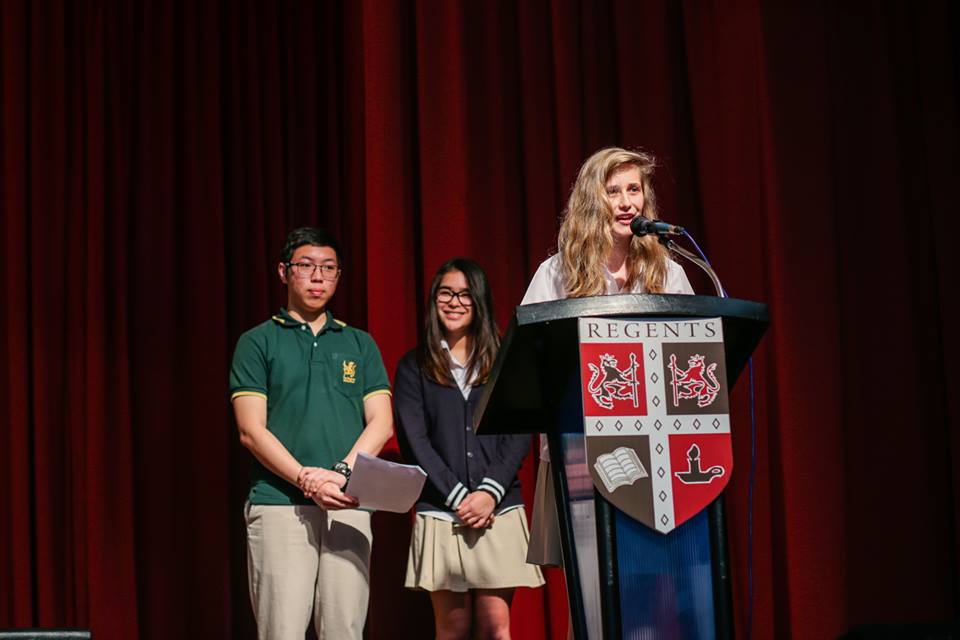
Thursday was our annual Wai Kru ceremony a very humbling event and one of the highlights of the academic year.

Friday this week is a long weekend. Students are back in school on Monday 28th September.
Have a learning filled week.
Brian

From Mrs. Rachel Perkins, Head of Primary

a-Rachel_0002Dear Parent, as we come to the end of yet another busy week in Early Years and Primary we celebrated our teachers and teaching assistants in our annual Wai Kru ceremony.


It was a very humbling experience to receive such lovely flowers and good wishes from the children. Many of the staff particularly from the UK have never experienced this ceremony and they all told me what a wonderful event it was and how pleased they are to teach in such a wonderful and thoughtful school environment.


Please let me take this opportunity to wish you a lovely long weekend with your family.

with best wishes
Rachel

It’s Cool to be in School; plans in place to deal with absence and lateness

12042839_968696369838621_8909726282888931366_nStudents who do not come to school are, not surprisingly, not very successful at school. That is why in countries throughout the world it is a serious problem if children do not go to school. In England, at the moment, an attendance of less than 85% will see your child referred to the authority in charge of education. If a parent is found to be supporting their child in not going to school, then it is against the law. And there are only two ways in which a child is allowed to miss school. They are if the child is too ill to attend or if the parents have got permission from the school beforehand.


Lateness is a similar problem. Though we are sympathetic at the school to those students who have to get up very early in the morning to get to school, we cannot support it. By being late, a student not only misses the essential part of a lesson (the beginning), they also disrupt the other students when they go into class.


I have heard some comments from parents that they are happy for their children to be late for school or even miss school if it makes their children happy. I’m afraid this is a rather short-term view of happiness. I might choose to stay in bed tomorrow, which might make me feel very happy… but I won’t be happy when I get into work and realise the amount of work that I have to catch up. Students can very quickly get into a situation where they have lost control of their learning.
The school cares about your child. We want to give them the best possible chance in life – to achieve their potential and to realise their dreams. That is why we are going to get tougher on absence and lateness. Those who are late are going to be in detention more often. Those who are absent for more than 10% of the school year will be subject to review. If their absence has affected their education seriously, they may be asked to repeat the year.

By Mr Charles Barrow, Deputy Head Secondary

Reception Maths Workshop

Miss Helen hosted a very successful maths workshop. The presentation was about how the maths curriculum is covered with in class also how parents can support their children at home.
Miss Helen invited parents to her classroom, where she had set up maths activities.
Thus parents were able to see more practical activities – it was a very informative afternoon. 

Look out for more workshops in the future – we hope you can continue to join us!

Friendly Competition or Bitter Rivalry? Psychology of the House System

Written by By Mo Suwanwela, Year 13 Psychology Student

png;base64f97b5f7a61069f5a

Mo, Year 13, applies ‘social identity theory’ to her experience of the four different Houses


Social identity theory describes a human need to belong to a group. The groups we belong to help us figure out who we are and fulfills our basic need for self-esteem. This theory can be applied to The Regent’s House System. In our House group we are able to achieve positive self-esteem, such as receiving House points, which contributes to our self-esteem, while at the same time we support each other and work together in events such as sports day and swimming gala where we express favoritism towards in-groups by cheering on our House and trying our best to beat the other Houses.

Social identity theory describes how we categorize people in groups, identify with the group we belong to, and compare our group to others. These processes are called categorization, identification, and social comparison. This also happens in our House system. Firstly, categorization is used to divide people into 4 groups: the blue sharks, yellow tigers, green crocodiles and red dragons. In House events people are put into these groups to work together; the identification aspect is in choosing to become a part of the group. This is highly evident when a house wins an event such as Sports Day, Loy Krathong or when there are pizzas involved, people are more likely to identify themselves with their House, for example by wearing House colours. Much like Cialdini’s experiment to investigate the tendency to associate one’s self publicly with successful others, in which students tended to wear the jersey of their university’s sports team after they won a big match, students want to associate themselves with their House colour more when we have beaten the other Houses. Social comparison, on the other hand, is the idea of separating in-group members to out-group members, the division between ‘us’ and ‘them’, and trying to be better than the other Houses. Students would cheer for participants within their own House even if they didn’t know any of the competitors.

Being separated into different House teams arguably creates prejudice and hostility between the Houses, which I have experienced first hand. My close friends and I are usually very supportive of each other when we play team sports together or are assigned to do challenging tasks, but when we are scattered across different Houses, everyone becomes more competitive, which is understandable. However as House events progresses throughout the year, the competition can take the best out of people. Although there were no sabotages or serious intent to hurt one another, friendly insults become more uncomfortable and starts to hold more meaning, and this can provoke more conflict in our friendship outside of the House group context. After events would be finished, students would compare themselves through the performance of their House for weeks on end and occasionally mentioning their win in an argument to prove any point they make and that they are superior to everyone else because of their status in the House ranking; but luckily like all things in school the rivalry will blow over and eventually everyone would be back to normal.

Regent’s Buddy Reading Scheme

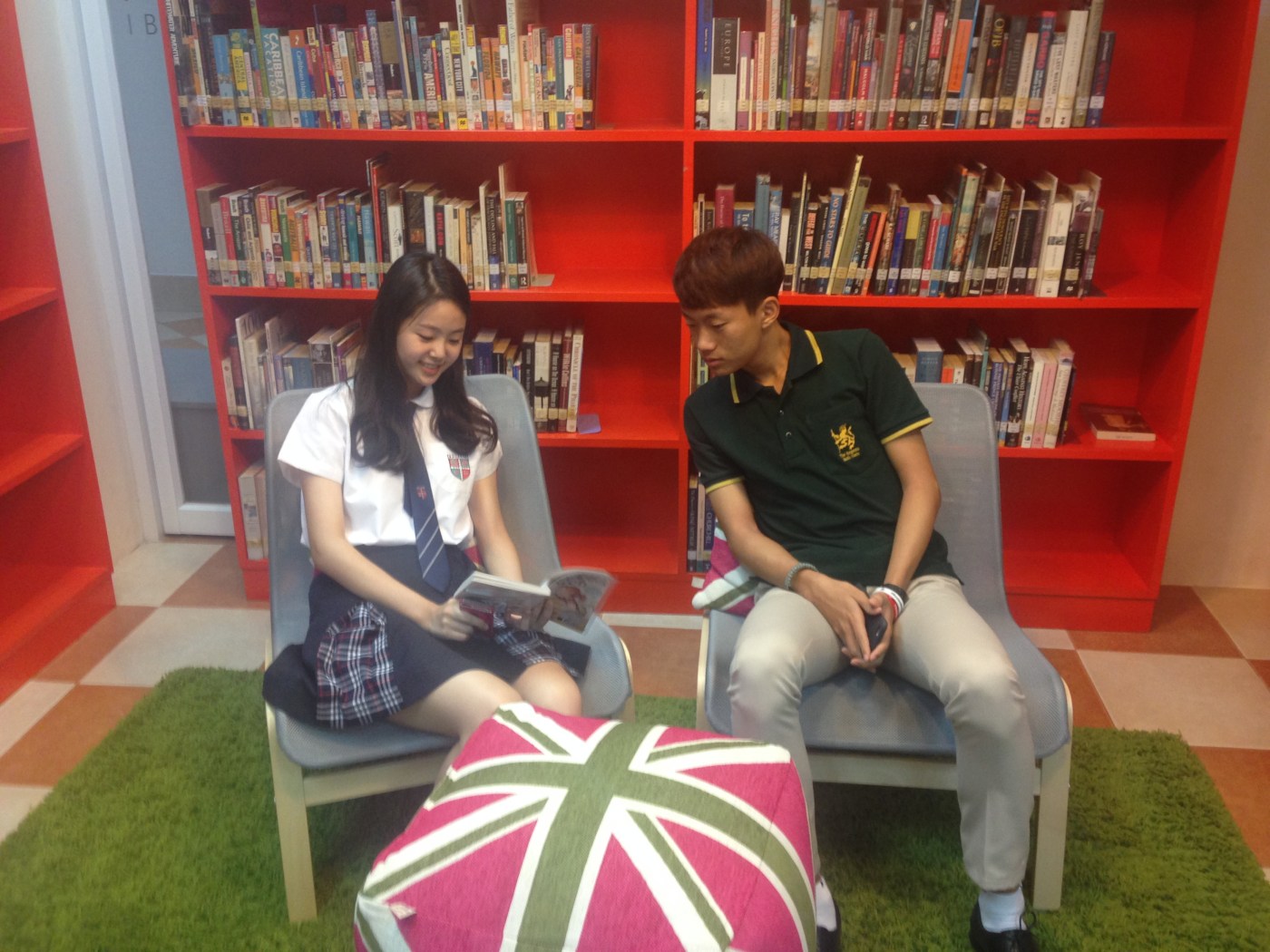
The Regent’s International School, Bangkok is famous for its friendly, inclusive atmosphere where all of the students are willing to help each other out. Especially when learning English! This month, our Year 12 students are spearheading the Buddy Reading Scheme to assist some of their younger counterparts with literacy skills. What better way to meet new friends than over a good book?

In a comfortable, relaxed setting, students can foster a love of reading together whilst helping to further their knowledge of both the teaching and learning process. Whether their assistance is through translation, explaining difficult words, or by asking comprehension questions; our Y12s are dedicated to helping their buddies become more confident with reading.

Our new IB cohort definitely have to be commended for giving up their time to such a worthwhile cause.

PE… On the bounce!

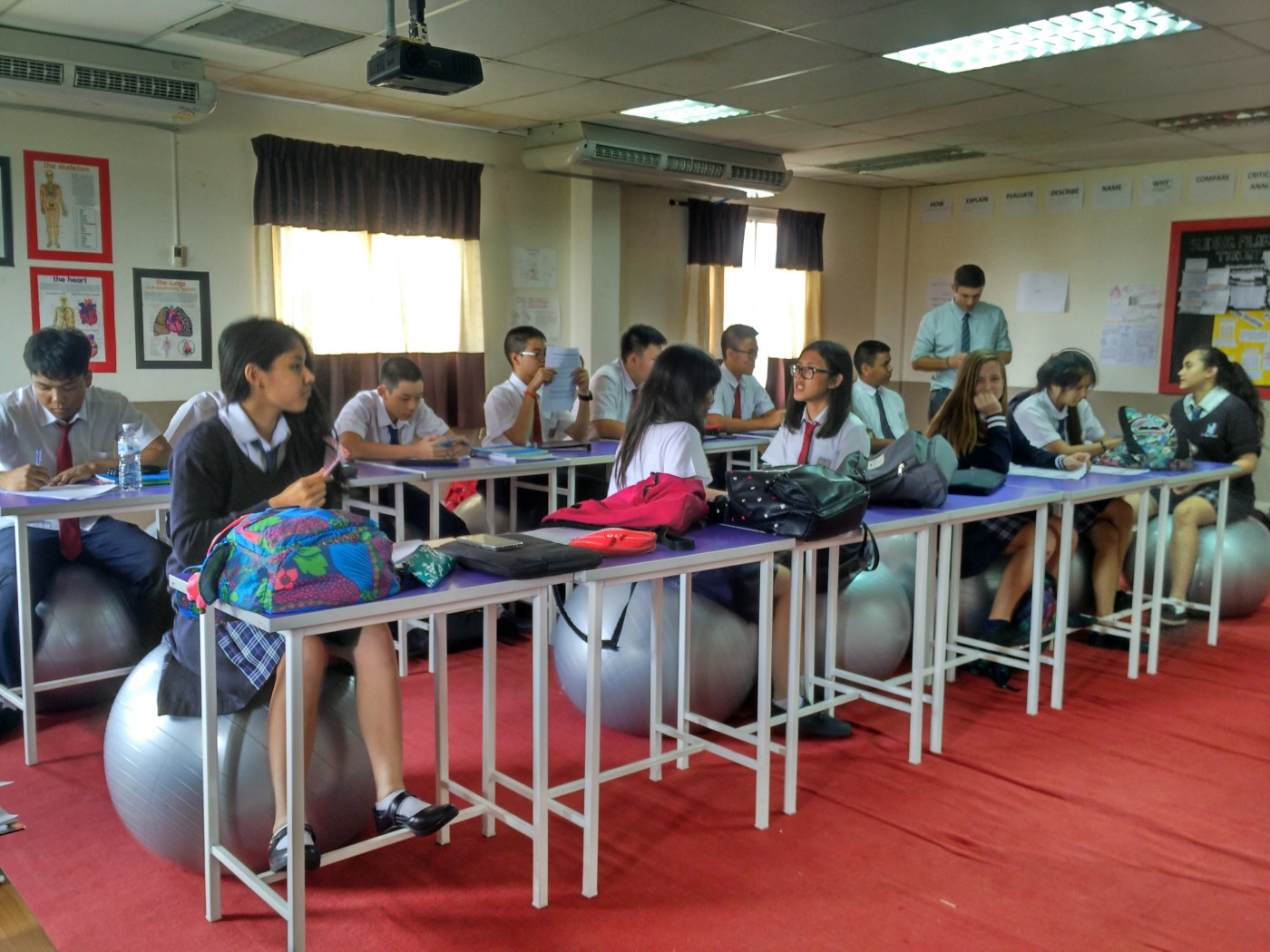
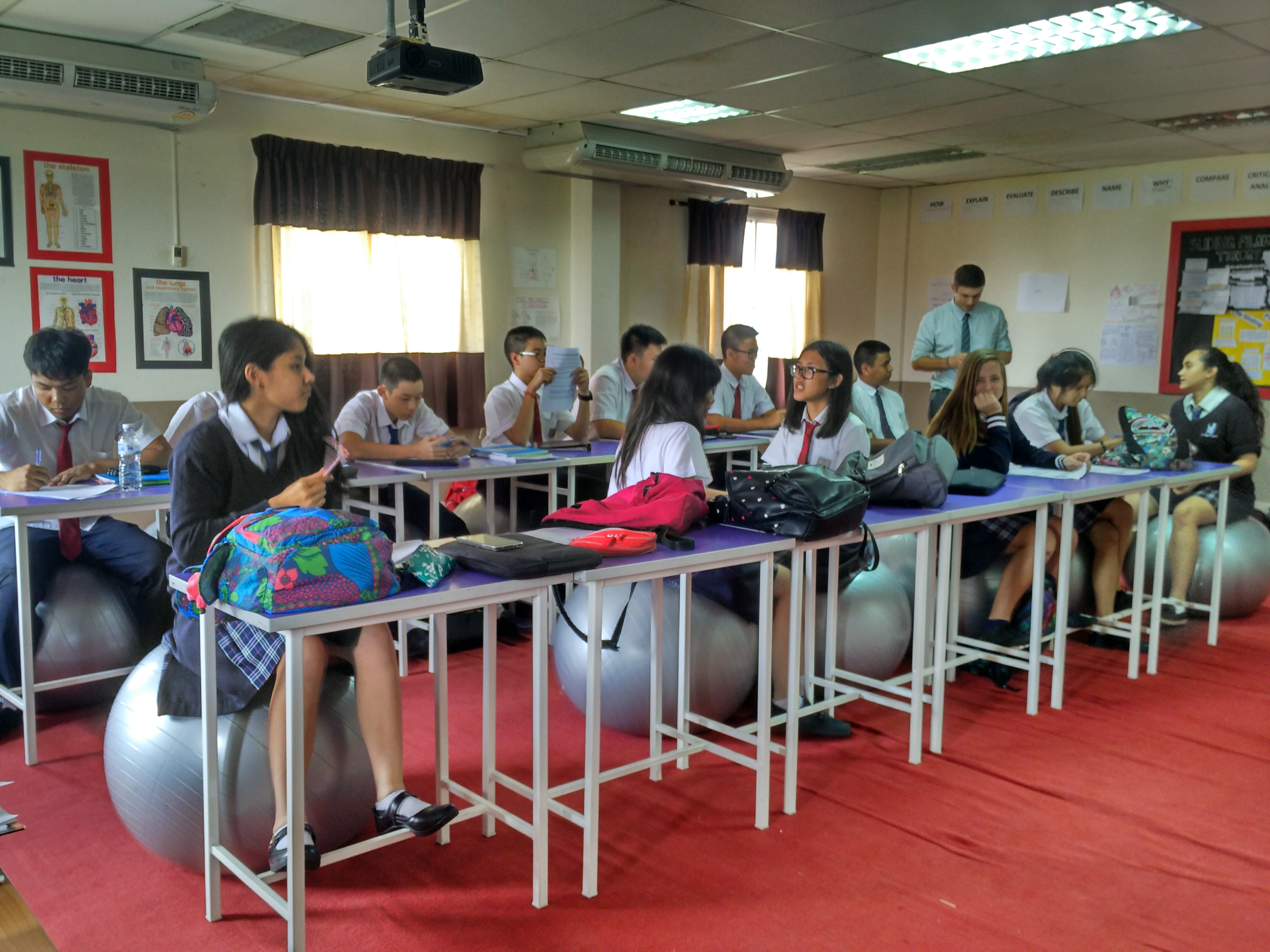
IMG_20150903_143529_HDR-1Taking inspiration from a number of schools worldwide the PE Department have invested in 12 new chairs… in the form of gym balls! With the intent to challenge, engage and inspire our students the PE classroom has replaced their standard chairs with the big silver balls.

The arrival of the space age chairs has been welcomed by students and teachers alike. Students have found sitting on the gym balls more comfortable though some have found it quite challenging as they require you to engage your core in order to stay balanced.

Our end goal is for students to become fitter whilst learning and to improve concentration levels in the classroom.

If you get a chance, pop in to Room 417 and have a go yourselves!

Messages from the Head of Primary and Head of Secondary

Heads

From Mrs. Rachel Perkins, Head of Primary:

Dear Parent,

this week we hosted our first Parents Group meeting of the year and I was delighted to welcome over 40 parents to join our group.

It was a pleasure to see returning parents and also many new faces. In my presentation I shared the new initiative this term, the up and coming events and the parent workshops we are planning.

I also shared the developments since our last meeting and the parents were very pleased to hear of the additional sports coaching, the new library, extra Mandarin classes, new Tuck Shop management and the new Computing room. The parents and I then had a very productive question and answer session and the ideas that were shared will definitely support school improvement.

Our next Parent Group meeting with take place on the 4th of November, please feel free to come along and join the discussion and help us to make the school a wonderful environment for the whole school community.

With best wishes,
Rachel

From Mr. Brian Irving, Head of Secondary

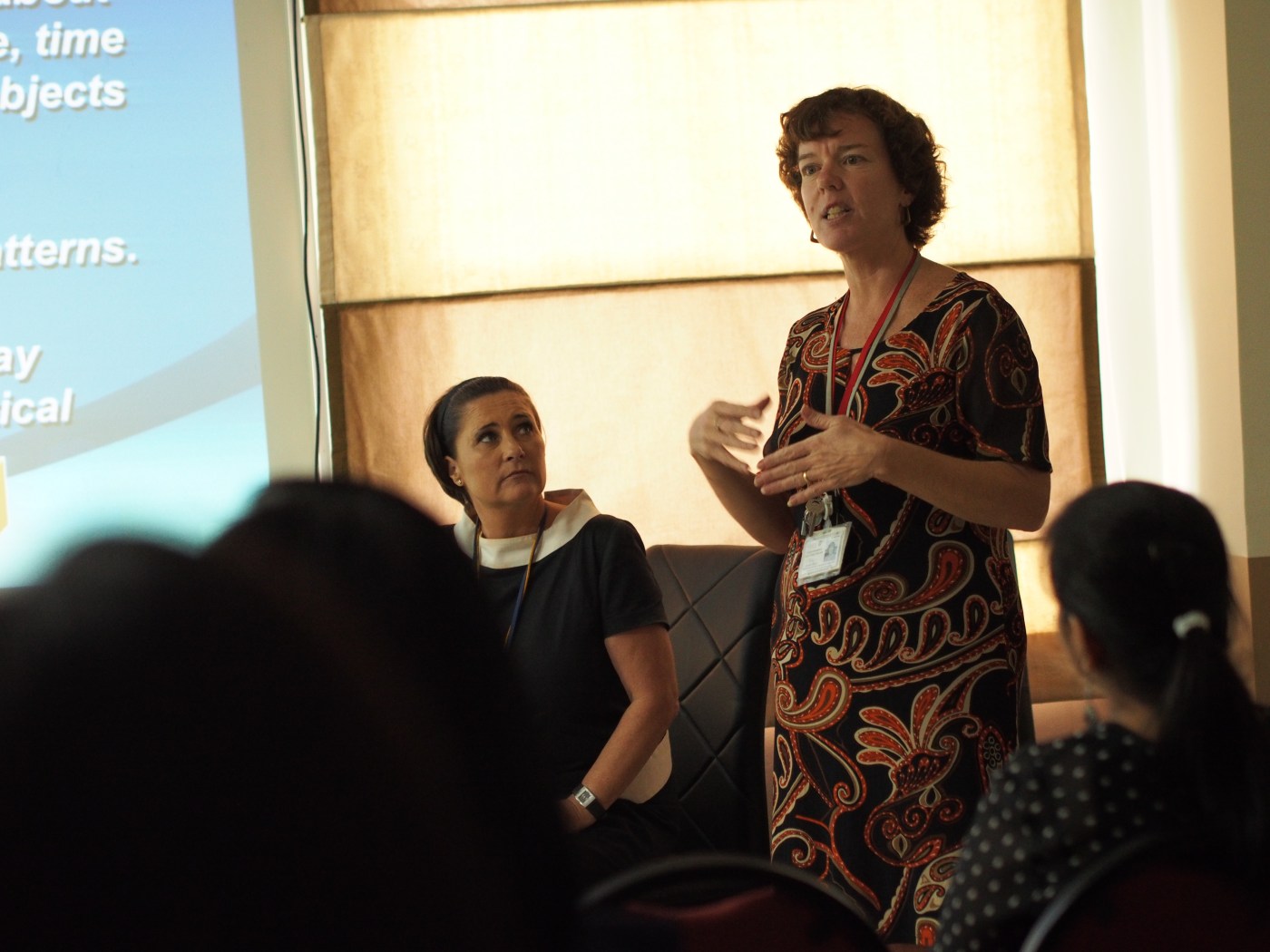
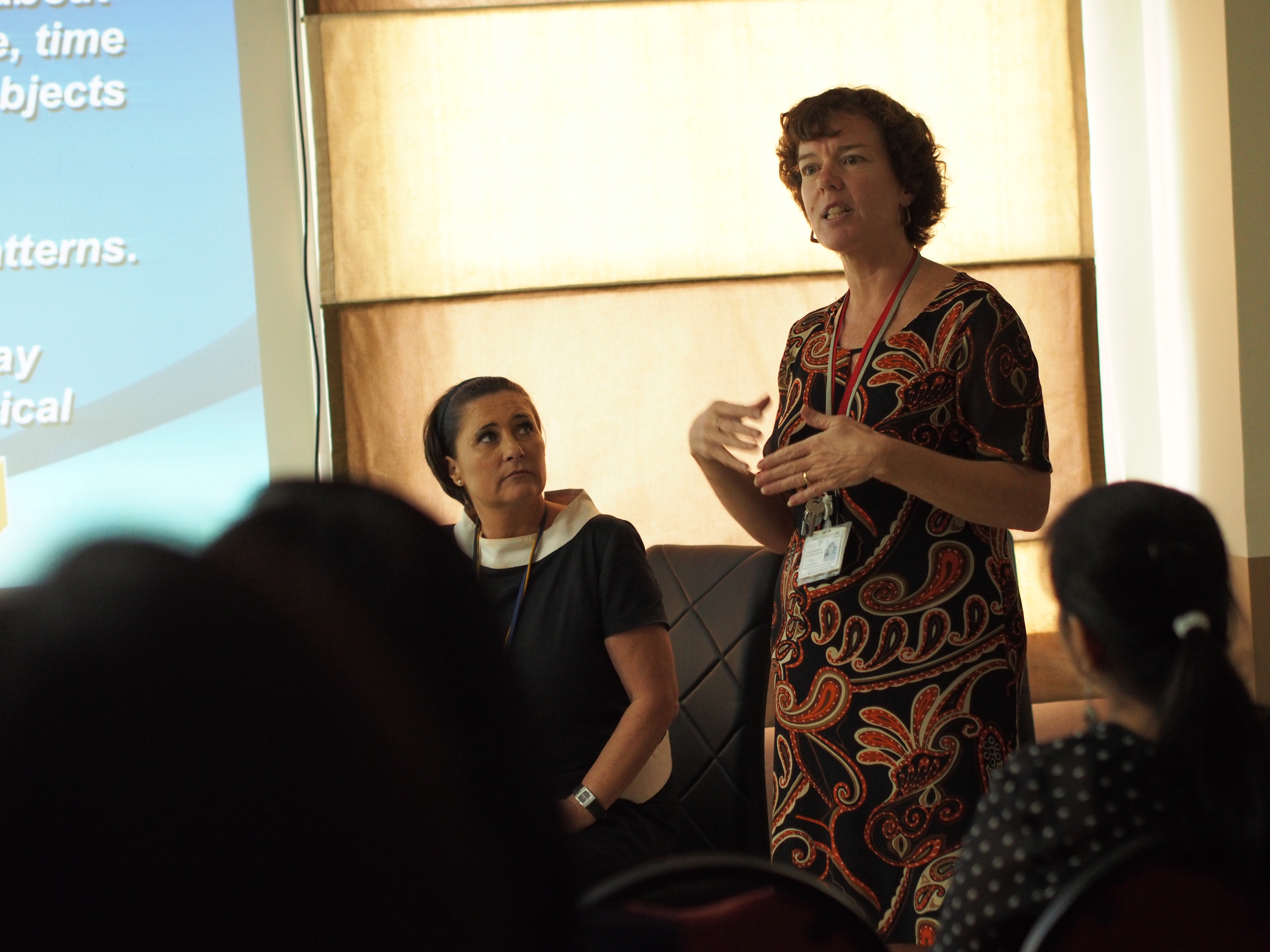
It was my pleasure to speak to a group of Year 4, 5 and 6 parents about our Secondary School: what we do and how and why we do it. I mentioned how proud I was on a daily basis of our Secondary School: students and staff alike. My colleagues Mr Barrow and Ms Roberts also spoke about their specific roles, especially for new Year 7 students. The brief presentation was followed by a guided, and by all accounts, very professional tour of the school by some of our Year 8 students.

At the end of the tour, all of the parents commented on how well they had been guided by our younger students, how well they spoke and how polite and welcoming the students had been. Yet again, another reason to feel pride in what we do here at the Regent’s International Secondary School.

Have a learning-filled week.

Warmest regards,

Brian

Blog at WordPress.com.

Up ↑