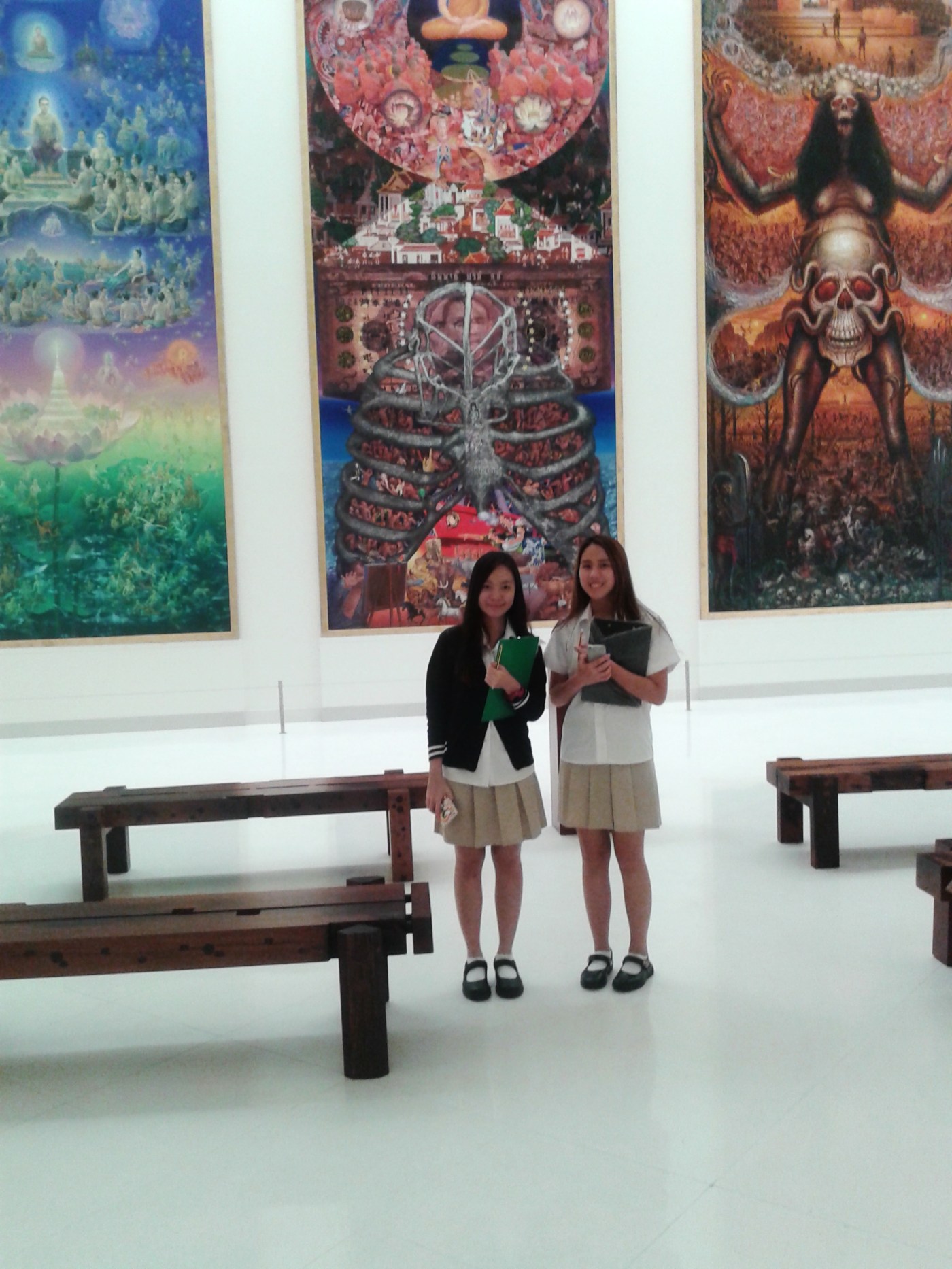
Year 12 Art students visited the Museum of Contemporary Art ‘MOCA’ today with a focus on portraits.
They investigated the many ways different Artist’s represent portraits, from the most realistic images to the subtle and abstract. This is the start of their new journey whereby they will produce their own self portrait.
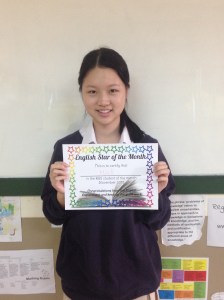
To reward those who show determination in English, we have created a ‘Stars of English’ newsboard to give recognition to students who are working above and beyond their teachers’ expectations.
See our ‘stars’ this month!
Amy – Year 7
Amy works incredibly hard in English. Her classwork and homework are always of an excellent standard and show great care and effort.
Ms Brookes
Kam – Year 10
Kam’s short story this month was fantastic and she put a great deal of effort into writing and redrafting it. Kam is always polite and hardworking, and as a result all of her work is of a similar high standard.
Dr Sweeting
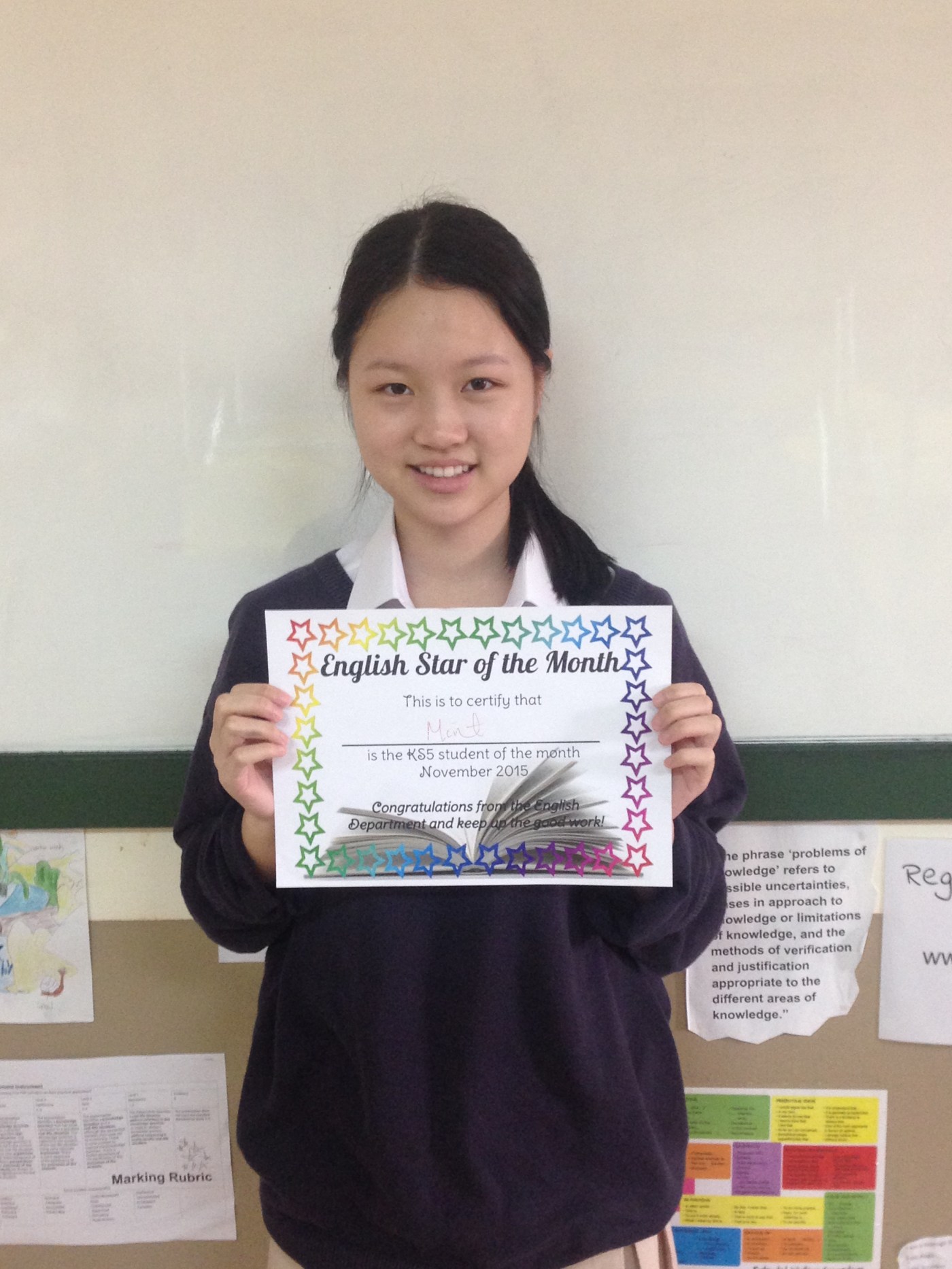
Mint – Year 13
This month, Mint has redrafted her written task, completed two practice questions and volunteered to re-write an essay to improve it. This is representative of the huge effort she has put in since joining Regent’s and Mint has made fantastic progress as a result.
Dr Sweeting
Our Model United Nations (MUN) club has begun again with great enthusiasm.
The 22 members are learning how to debate and write formally, just as is done in the real United Nations.
We investigate contemporary issues which are of global importance. The current debate is about finding solutions to human trafficking.
Led by Samir (Year 12) the Chairperson for this debate, each delegate (person representing a country) must state the opinion of their country and work towards a workable resolution.
A group of 7 students will be attending the BKKMUN Conference, Saturday 10th October, along with 300 students from other international schools.
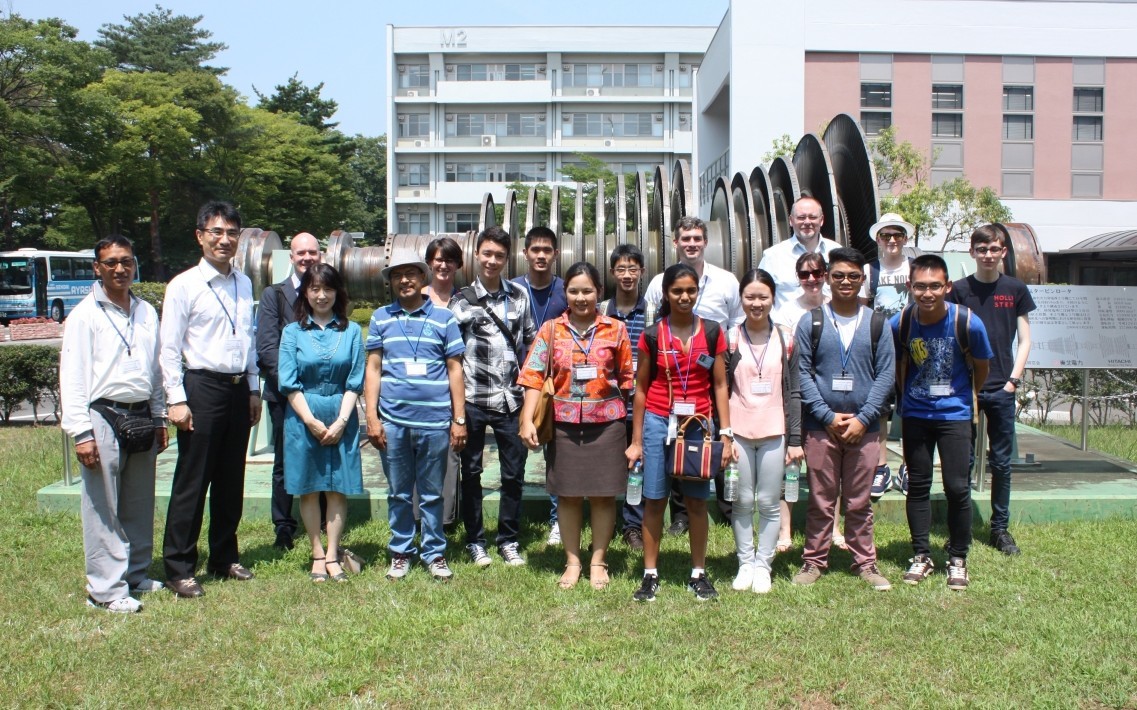
We were lucky enough to be invited by the University of Tohoku for their annual future global leaders program. The five days in Sendai, Japan, was an unforgettable experience for the both of us. Not only did we get an insight of the university, but we also had the opportunity to explore the beautiful city of Sendai and it’s culture.
University Of Tohoku
Tohoku University is one of the top 100 university in the world. Recently, they began the Future Global Leadership Program which is taught in English and focuses on engineering, chemistry and marine biology.
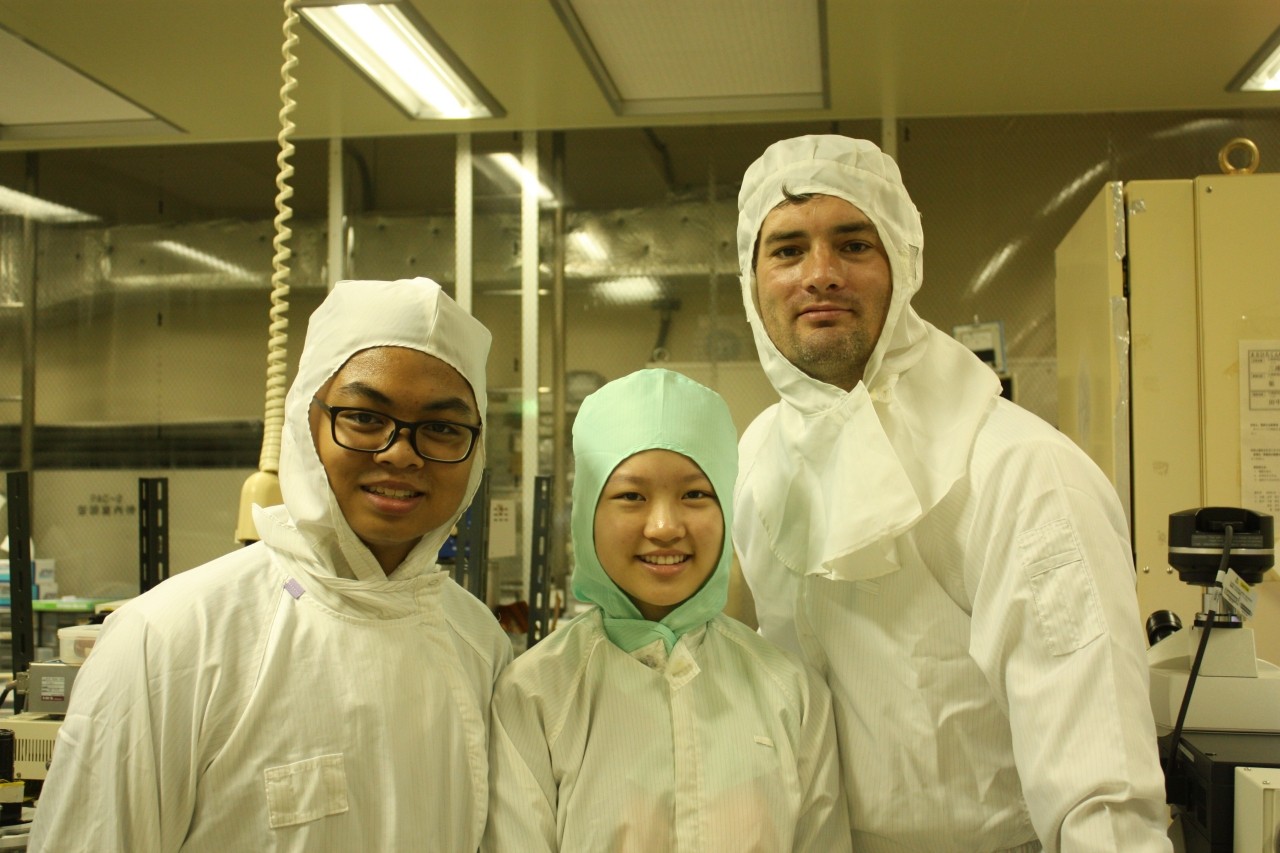
On our first day, we had a fantastic welcoming reception and experienced Japanese flower arranging and got to meet some of the students at the University. On the second day, we visited laboratories where the professors gave us lectures. Both laboratories have various machinery that are more advanced than anything we’ve seen before. Furthemore, we had the opportunity to hear about the projects that the senior students were working on.
Moving on to the department of chemistry, this was the most interesting course for us and the lecture about DNA replication was something to remember. On the final day, we went to the marine biology laboratories which focuses on marine life and oceanography. The marine biology course is unique to the other two as students are required to work on the field by going deep sea diving every couple of weeks. They also taught us how to measure the age of fish which is very interesting.
Life in Sendai
Sendai translate to “the city of trees” and lives up to its name. We came at the right time, as there was a festival going on and fireworks display lit up the city on our second day. Sendai is quite a small city and you can get around easily with a bike or even by walking. With our free time we went around exploring the city with the university students we’ve met. We learned more about Japanese culture and on our last day we went to a temple for meditation. Sight seeing was definitely the main highlight of the trip as Sendai was a very peaceful city with lots of places to visit and rich in Japanese culture. People were very humble and friendly this is one reason why we love Japan. All in all, it has been an unforgettable experience and it was a privilege to be part of the FGL program. We would like to thank everyone who has made this experience possible for us and highly recommend that everyone should participate in similar events.
In early August I accompanied two year 12 students, Daffa and Mint, to Tohoku University in Sendai for their Future Global Leaders summer school. While there, we experienced the famous Japanese hospitality as we visited the University campus, facilities and student accommodation, and attended lectures and presentations about the Future Global Leaders science and engineering courses.
Sendai City, situated in central Miyagi Prefecture, is the largest city in the Tohoku region. Sendai is known as the “City of Trees.” The main avenues, Aoba-dori and Jozenji-dori, are lined with rows of beautiful zelkova trees. Trees can even be found in the covered shopping area, Ichibancho Arcade. The impressive university campus is equally green, and is laid out on the hillside above the town.
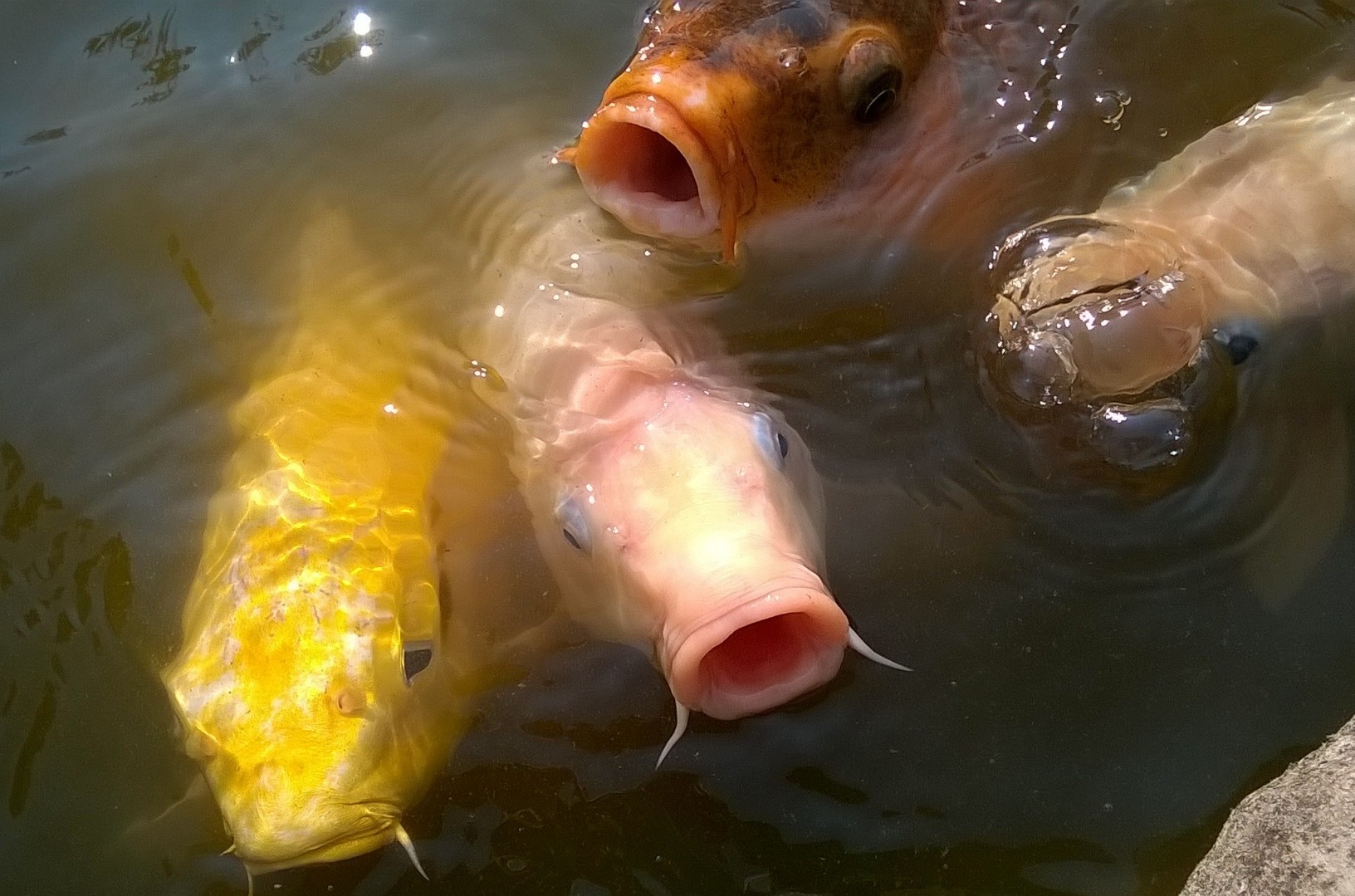
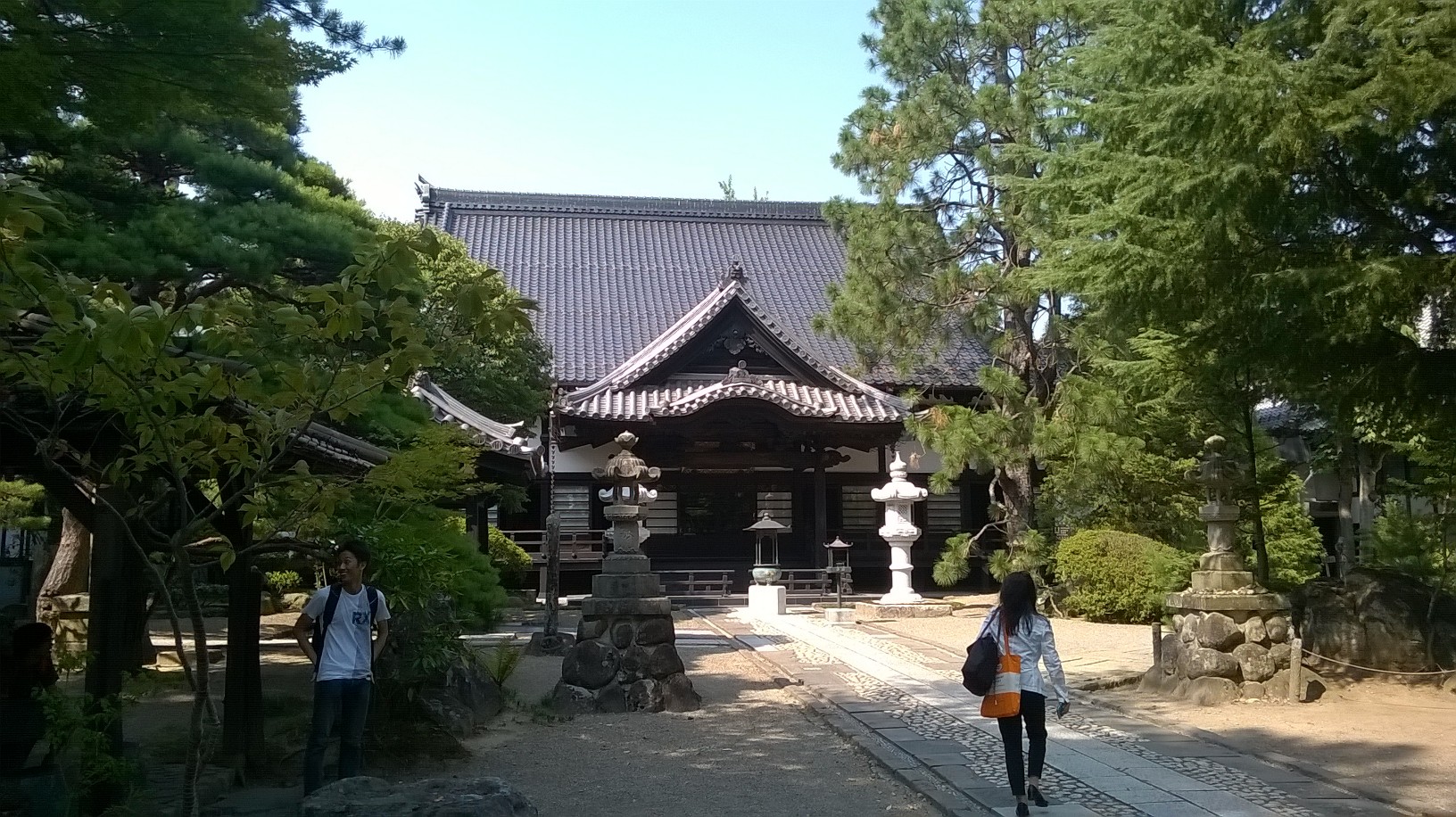
For me, the highlight of the trip had to be our visit to a Japanese Buddhist temple and gardens. After an enthralling Buddhist prayer ceremony, we entered the main garden where stepping stone pathways and bridges circle central ponds filled with colourful Japanese Koi carp. Partially obscured in the distance is a three storied pagoda. A tea house, Buddhist cemetery, and tombs of relatives of the Date clan are also at the temple. We enjoyed a stroll through the gardens, stopping for plenty of photographs.
Something else which made the trip particularly memorable was the overwhelming noise of cicada insects everywhere. Tanna japonensis, also called the evening cicada is a species of cicada, a family of insects distributed throughout East Asia, and is most common in Japan. Its shrill call can be heard most often in the morning and evening. The incredible volume and range of sound emanating from these insects has to be heard to be believed.
We were fortunate to be present for the Tanabata Festival, held every summer in Sendai. This Buddhist festival is one of the three greatest festivals in the Tohoku region, attracting crowds of over 2 million every year. Gorgeous decorations made with bamboo and Japanese paper, are put up in the shopping arcades in front of Sendai Station and in the shopping malls.
Overall, we thoroughly enjoyed our all-too-brief visit to Japan. The Future Global Leaders summer school is an annual event, so hopefully I will go back next year with more Regent’s students.
Written by By Mo Suwanwela, Year 13 Psychology Student
Mo, Year 13, applies ‘social identity theory’ to her experience of the four different Houses
Social identity theory describes a human need to belong to a group. The groups we belong to help us figure out who we are and fulfills our basic need for self-esteem. This theory can be applied to The Regent’s House System. In our House group we are able to achieve positive self-esteem, such as receiving House points, which contributes to our self-esteem, while at the same time we support each other and work together in events such as sports day and swimming gala where we express favoritism towards in-groups by cheering on our House and trying our best to beat the other Houses.
Social identity theory describes how we categorize people in groups, identify with the group we belong to, and compare our group to others. These processes are called categorization, identification, and social comparison. This also happens in our House system. Firstly, categorization is used to divide people into 4 groups: the blue sharks, yellow tigers, green crocodiles and red dragons. In House events people are put into these groups to work together; the identification aspect is in choosing to become a part of the group. This is highly evident when a house wins an event such as Sports Day, Loy Krathong or when there are pizzas involved, people are more likely to identify themselves with their House, for example by wearing House colours. Much like Cialdini’s experiment to investigate the tendency to associate one’s self publicly with successful others, in which students tended to wear the jersey of their university’s sports team after they won a big match, students want to associate themselves with their House colour more when we have beaten the other Houses. Social comparison, on the other hand, is the idea of separating in-group members to out-group members, the division between ‘us’ and ‘them’, and trying to be better than the other Houses. Students would cheer for participants within their own House even if they didn’t know any of the competitors.
Being separated into different House teams arguably creates prejudice and hostility between the Houses, which I have experienced first hand. My close friends and I are usually very supportive of each other when we play team sports together or are assigned to do challenging tasks, but when we are scattered across different Houses, everyone becomes more competitive, which is understandable. However as House events progresses throughout the year, the competition can take the best out of people. Although there were no sabotages or serious intent to hurt one another, friendly insults become more uncomfortable and starts to hold more meaning, and this can provoke more conflict in our friendship outside of the House group context. After events would be finished, students would compare themselves through the performance of their House for weeks on end and occasionally mentioning their win in an argument to prove any point they make and that they are superior to everyone else because of their status in the House ranking; but luckily like all things in school the rivalry will blow over and eventually everyone would be back to normal.
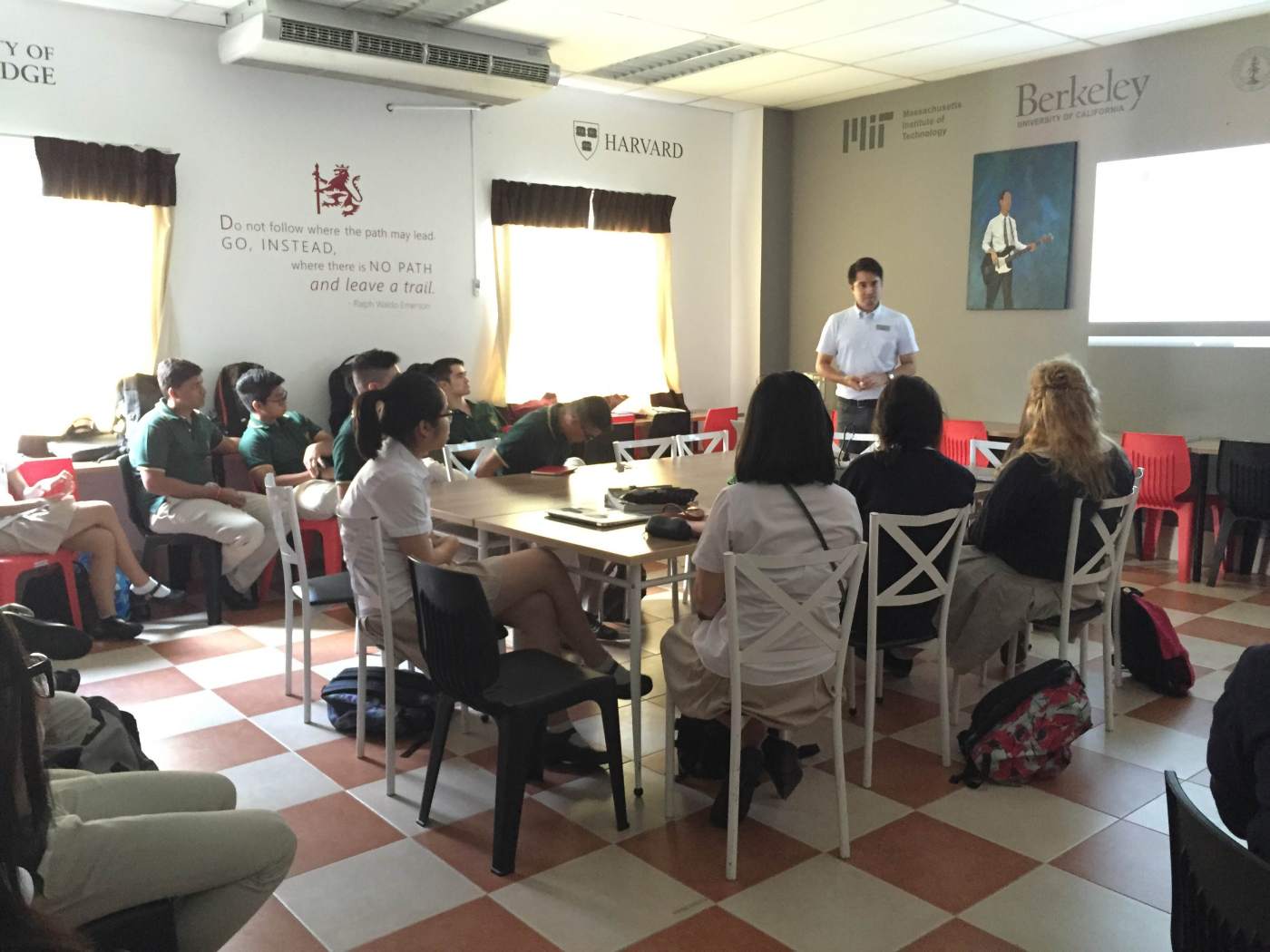
At the beginning of year 13, students need to start thinking about what universities they want to attend. Our aim is to help students make informed choices, to make sure they go to the most suitable university. We host many prestigious universities during this time of year. We were fortunate enough to host the University of British Columbia recently. The UBC has been very popular with our students in the past, and it looks like it will be a popular destination for the current year 13.
Students interested in the following universities or who are interested in studying abroad should attend the university presentations. Upcoming university presentations are on:
– September 15th at 12:35 Savannah College of Art and Design (SCAD)
– October 1st at 12:35 New College of the Humanities
– October 6th at 12:35 Carleton + other Canadian universities
– October 16th at 12:35 Jones University
– October 29th at 12:35 The USA Fair (9 universities)
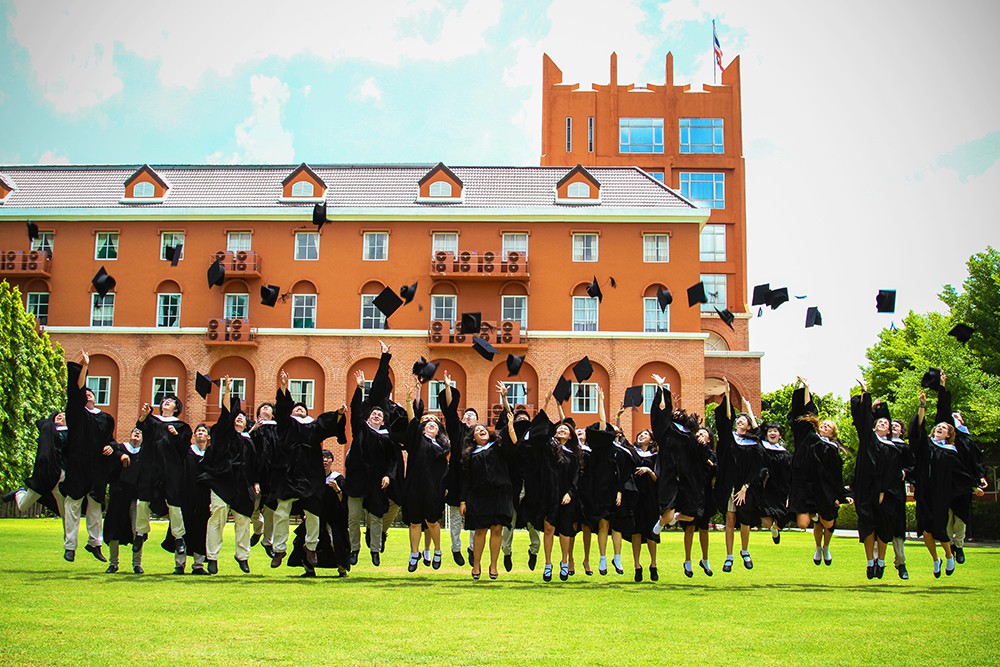
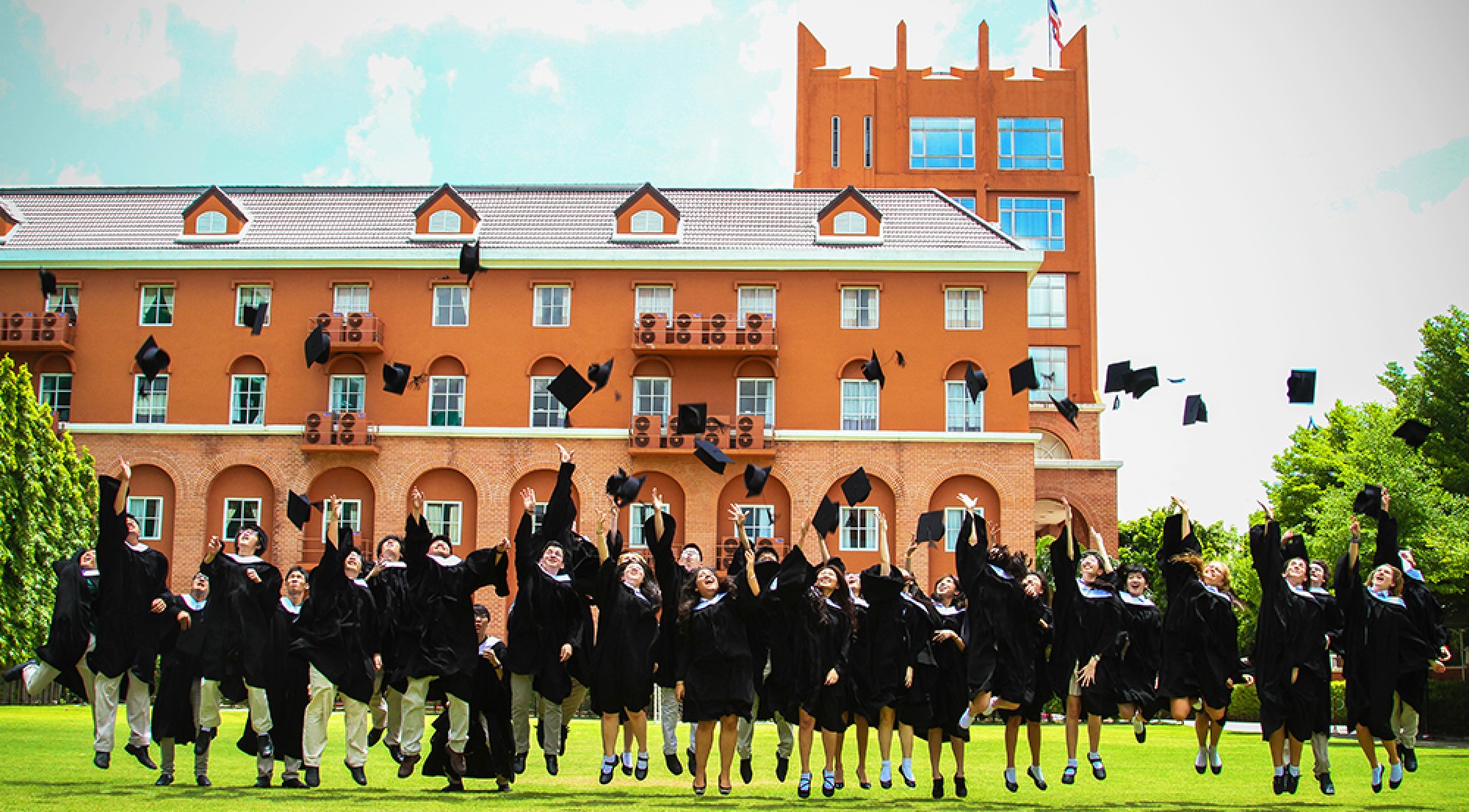
As I am sure our whole school community has already heard, our IB Diploma Class of 2015 simultaneously smashed our own school record and achieved the highest average score in the whole of Thailand. We are immensely proud of the hard work and dedication shown by these students, combined with the support provided to them by both their families and their teachers.
These students have gone on to some of the most prestigious universities in the world, including, in the UK, Cambridge, University College London and London School of Economics; and in the US, UCLA, Chicago and Penn State. We wish them well as they continue to represent The Regent’s School as our alumni in the wider world.
This week we welcomed another 37 students into our Sixth Form as the Class of 2017 and hope they enjoy the journey they have just begun. The group consists of students from Armenia, China, Kenya, Japan, England, Thailand, Nepal, Estonia, Nigeria, India, Finland, Italy, the Republic of Korea and the Kingdom of Bhutan.
With their tutors, they took part in a range of introductory activities to the course of study and discussed some of the key requirements which they must fulfil. In addition to this, they began to work as teams in a range of activities designed to help them to understand each other. Great fun was had by all and we hope our new Sixth Form students continue to grow as a team this year.



 Kam – Year 10
 This month, Mint has redrafted her written task, completed two practice questions and volunteered to re-write an essay to improve it. This is representative of the huge effort she has put in since joining Regent’s and Mint has made fantastic progress as a result.



 Regent's International School, Bangkok
Recent Comments